Panier
0
0,00 €

Discover the timeless teachings of Buddhism through peaceful temples, sacred mountains, meditation gardens and ancient traditions that have guided generations for centuries. This spiritual journey invites you to slow down, reconnect with nature and embrace harmony, compassion and inner peace. Whether you seek inspiration, mindfulness or simply a moment of serenity, Secret Buddhist World offers a tranquil sanctuary where every path leads to wisdom and every step brings you closer to yourself.
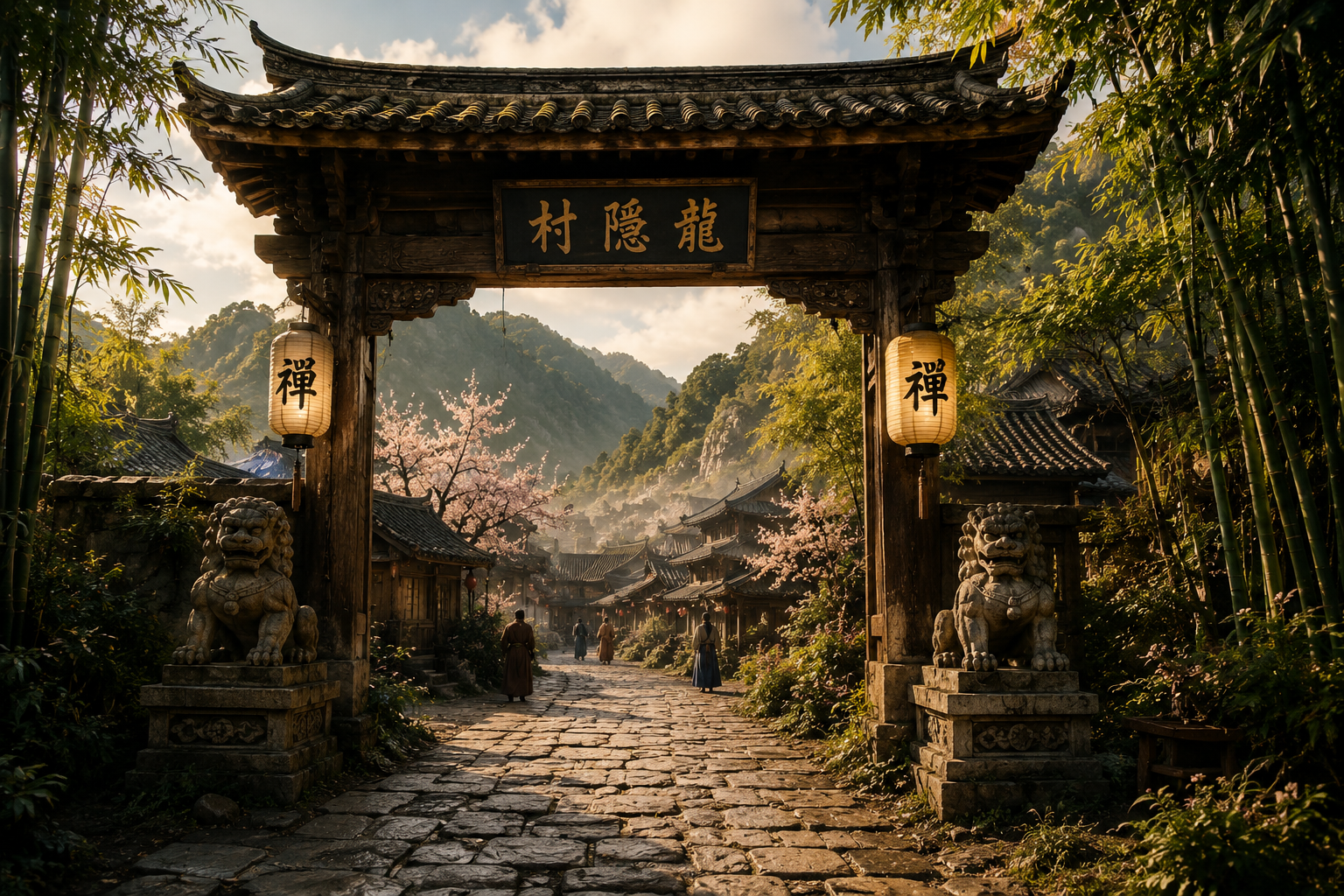
Step beyond the ordinary and enter a hidden sanctuary filled with ancient temples, sacred mountains, peaceful rivers and timeless Buddhist wisdom. Your spiritual journey begins here.
🏯 ENTER THE SACRED JOURNEYEnter a peaceful universe dedicated to meditation, mindfulness, inner peace and spiritual practice. Join our live temple and experience a relaxing atmosphere.
ENTER THE LIVE TEMPLEBuddhism was born more than 2,500 years ago in ancient India through the teachings of Siddhartha Gautama, who later became known as the Buddha, meaning “The Awakened One.” Born into a royal family, Siddhartha lived surrounded by wealth and luxury. However, after discovering suffering, illness, aging, and death outside the palace walls, he began a spiritual journey searching for the true meaning of life and inner peace. Leaving behind his royal existence, he traveled through forests, mountains, and sacred places, studying meditation and spiritual discipline for many years. Eventually, beneath the sacred Bodhi Tree, he reached enlightenment after deep meditation, discovering the path toward wisdom, compassion, and liberation from suffering. This moment became the beginning of Buddhism.
According to Buddhist tradition, Siddhartha Gautama meditated beneath the Bodhi Tree until he attained enlightenment and became the Buddha.
Siddhartha Gautama was born in the region of Lumbini, near present-day Nepal, inside a royal family.
After leaving palace life, he dedicated years to meditation, discipline, and spiritual exploration.
Meditating beneath the Bodhi Tree, he discovered the path toward enlightenment and inner liberation.
Before becoming the Buddha, Siddhartha Gautama lived as a prince surrounded by luxury, comfort, and protection inside a royal palace. His family tried to keep him away from suffering and the realities of human existence. However, during journeys outside the palace, he encountered illness, old age, poverty, and death for the first time. These discoveries deeply transformed him. Realizing that wealth could not protect humanity from suffering, he abandoned his royal life in search of spiritual truth and enlightenment. For years, he studied meditation, silence, discipline, and spiritual practices, traveling through forests, mountains, and sacred places across ancient India. After intense meditation beneath the Bodhi Tree, he finally reached enlightenment and became “The Buddha” — The Awakened One. His teachings would later spread across Asia and eventually the world.
After years of meditation and spiritual discipline, Siddhartha Gautama attained enlightenment beneath the sacred Bodhi Tree and became the Buddha.
Siddhartha was raised within luxury and protected from the suffering of the outside world.
He witnessed illness, old age, death, and spiritual asceticism, which changed his understanding of life forever.
Leaving his royal life behind, he dedicated himself to meditation, discipline, and spiritual awakening.
Meditating beneath the Bodhi Tree, he reached enlightenment and discovered the path toward liberation from suffering.
The Four Noble Truths are considered the heart of Buddhist philosophy and spiritual understanding. After attaining enlightenment, the Buddha explained that human suffering is deeply connected to attachment, desire, ignorance, and the constant search for temporary satisfaction. These teachings reveal not only the reality of suffering, but also the path toward inner liberation, peace, and awakening. For centuries, the Four Noble Truths have guided millions of people toward mindfulness, wisdom, and spiritual balance.
The Buddha taught that understanding suffering is the first step toward liberation, inner peace, and spiritual awakening.
Life contains suffering, pain, loss, fear, illness, aging, and emotional dissatisfaction. Nothing in the material world remains permanent.
Attachment, desire, greed, and ignorance create suffering. The mind constantly seeks temporary pleasures and fears loss.
Liberation becomes possible by letting go of attachment, ego, and destructive desires, allowing inner peace to emerge.
The Buddha taught a spiritual path based on wisdom, discipline, mindfulness, and meditation to reach enlightenment.
The Noble Eightfold Path is one of the central teachings of Buddhism. After enlightenment, the Buddha explained that liberation from suffering requires balance, discipline, wisdom, mindfulness, and spiritual understanding. Rather than rules, the Eightfold Path represents a guide toward inner transformation, mental clarity, peace, and compassionate living. These teachings encourage individuals to cultivate ethical behavior, control the mind, and awaken deeper consciousness through meditation and awareness. Together, the Eightfold Path forms the spiritual foundation leading toward enlightenment.
Through meditation, mindfulness, ethical living, and compassion, the Eightfold Path guides the mind toward peace and enlightenment.
Understanding reality, karma, suffering, and the nature of existence with wisdom and clarity.
Developing compassion, peaceful thoughts, and the sincere desire to live without hatred or harm.
Speaking truthfully, kindly, and avoiding lies, harmful words, or destructive communication.
Living ethically through respect, non-violence, honesty, and compassionate behavior toward all beings.
Choosing a way of living that does not cause suffering, harm, or exploitation.
Training the mind by encouraging positive states while letting go of negativity and ignorance.
Remaining fully aware of thoughts, actions, emotions, and the present moment.
Deep meditation and mental focus leading toward inner peace, clarity, and spiritual awakening.
Over the centuries, Buddhism evolved into several spiritual traditions across Asia, each developing unique philosophies, rituals, meditation practices, and cultural influences. Despite their differences, all Buddhist schools seek wisdom, compassion, mindfulness, and liberation from suffering. From the peaceful Zen temples of Japan, to the mystical monasteries of Tibet, and the ancient Theravāda teachings of Southeast Asia, Buddhism continues to inspire millions around the world. Each tradition reflects a different path toward spiritual awakening.
Throughout Asia, Buddhist traditions developed their own teachings, rituals, architecture, and meditation practices while preserving the wisdom of the Buddha.
One of the oldest Buddhist traditions, focused on meditation, discipline, simplicity, and the original teachings of the Buddha. Widely practiced in Thailand, Myanmar, Sri Lanka, Laos, and Cambodia.
A major Buddhist tradition emphasizing compassion, wisdom, and helping all beings reach enlightenment. Known for large temples, sacred texts, and spiritual philosophy.
A mystical and symbolic form of Buddhism combining meditation, rituals, mantras, mandalas, and advanced spiritual practices. Deeply associated with Tibetan culture.
Zen emphasizes silence, mindfulness, simplicity, and meditation as the direct path toward inner awakening and peace. Known for minimalist temples and meditation gardens.
Across Asia, Buddhist temples and monasteries have stood for centuries as sacred places of meditation, wisdom, spiritual discipline, and inner peace. Built among mountains, forests, cities, and ancient kingdoms, these temples became centers of learning, meditation, rituals, and Buddhist teachings. From the golden temples of Thailand, to the Zen monasteries of Japan, and the mystical Himalayan monasteries of Tibet, each sacred place reflects the beauty and spiritual depth of Buddhism. Millions of pilgrims and travelers continue to visit these extraordinary places searching for peace, wisdom, and spiritual awakening.
Buddhist temples were designed as places of silence, meditation, wisdom, and spiritual harmony between humanity and nature.
One of the most famous Buddhist monasteries in the world, known for Chan Buddhism, martial arts, meditation, and ancient spiritual discipline. Located among the sacred mountains of China.
The Golden Pavilion of Kyoto is one of Japan’s most iconic Zen Buddhist temples, surrounded by peaceful gardens and reflective waters.
Known as the Temple of Dawn, Wat Arun is one of Thailand’s most beautiful Buddhist temples, covered with intricate spiritual architecture.
A legendary spiritual center of Tibetan Buddhism, built high in the Himalayas and associated with the Dalai Lama.
Tokyo’s oldest Buddhist temple, famous for its giant lanterns, traditional gates, and centuries of spiritual history.
A modern spiritual masterpiece combining Buddhist symbolism, white sacred architecture, and mystical artistic design.
Meditation is one of the most important practices in Buddhism. For centuries, monks, teachers, and practitioners have used meditation to calm the mind, develop awareness, and reach deeper spiritual understanding. Rather than escaping reality, meditation teaches individuals to observe thoughts, emotions, and consciousness with clarity and mindfulness. Through silence, breathing, discipline, and concentration, the mind gradually becomes peaceful, balanced, and free from agitation. Buddhist meditation is not only a spiritual practice, but also a path toward compassion, wisdom, inner harmony, and awakening.
In Buddhist tradition, silence and meditation allow the mind to become clear, peaceful, and fully present.
Practitioners focus on slow, conscious breathing to calm the mind and remain present in the moment.
Zen meditation emphasizes posture, silence, awareness, and direct experience beyond words and concepts.
Meditation strengthens mental concentration and helps reduce distractions, fear, and emotional agitation.
Mindfulness teaches individuals to observe thoughts, feelings, and experiences without attachment or judgment.
Certain meditation practices focus on developing compassion, kindness, peace, and positive intentions toward all living beings.
Through regular meditation, the mind gradually becomes calmer, clearer, and spiritually balanced.
Throughout Buddhist history, many sacred objects have been used during meditation, prayer, rituals, and spiritual ceremonies. These objects are not simply decorative. They symbolize wisdom, mindfulness, compassion, protection, balance, and spiritual awakening. Inside temples and monasteries across Asia, sacred objects help practitioners focus the mind, create peaceful atmospheres, and deepen spiritual practice. From prayer beads and incense, to Tibetan singing bowls and ancient mandalas, each object carries symbolic meaning within Buddhist traditions.
Buddhist sacred objects are used to create harmony, focus, silence, and spiritual awareness during meditation and rituals.
Used during meditation and mantra recitation, mala beads help practitioners maintain concentration and mindfulness.
Incense symbolizes purification, peace, and spiritual presence inside temples and meditation spaces.
Bells are used during ceremonies and meditation to create awareness, silence, and spiritual focus.
Singing bowls produce calming vibrations used for meditation, healing, relaxation, and mindfulness practices.
The lotus flower represents purity, awakening, wisdom, and spiritual transformation in Buddhism.
The Dharma Wheel symbolizes Buddhist teachings, wisdom, and the spiritual path toward enlightenment.
In Buddhism, true peace does not come from the outside world. It comes from the mind itself. A calm mind allows clarity, reflection, patience, and understanding. Instead of reacting to chaos, fear, or anger, Buddhist teachings encourage awareness, balance, and conscious action. One step at a time. One thought at a time. One breath at a time. The spiritual path teaches that inner peace grows slowly through mindfulness, discipline, reflection, and self-understanding. By calming the mind, a person becomes more centered, organized, peaceful, and connected to the present moment. In silence, the mind becomes clearer. In calmness, wisdom appears.
Buddhist philosophy teaches that peace begins when the mind learns to slow down, observe, and remain balanced in every situation.
The Buddhist path encourages harmony between thoughts, emotions, actions, and spiritual awareness.
Peace develops slowly through patience, discipline, reflection, and understanding.
When the mind becomes calm, thoughts become clearer and life feels more organized and peaceful.
Silence allows the mind to rest, observe, and reconnect with inner consciousness.
For centuries, Buddhist monks have dedicated their lives to meditation, discipline, silence, wisdom, and spiritual understanding. Far from the noise of modern life, many monks live inside temples and monasteries where daily life follows calm routines centered around mindfulness and inner peace. Their lives are based on simplicity, reflection, balance, respect, and spiritual practice. Every action — walking, eating, speaking, breathing, or meditating — is performed consciously and peacefully. Monks spend years studying Buddhist teachings, developing patience, mental clarity, and compassion toward all living beings. The monk’s path is not about escaping life, but about understanding it more deeply.
Inside monasteries, daily life follows silence, discipline, meditation, and mindful awareness in every moment.
Meditation is practiced daily to calm the mind, develop awareness, and strengthen inner peace.
Periods of silence help monks observe thoughts, control emotions, and remain mentally balanced.
Monks study Buddhist philosophy, ancient teachings, mindfulness, and spiritual wisdom for many years.
The monk lifestyle values simplicity, discipline, humility, and detachment from material excess.
Monastic life encourages emotional balance, mental clarity, and peaceful living.
Compassion and kindness toward every living being remain central values within Buddhist practice.
In Buddhist philosophy, karma refers to the energy created through thoughts, actions, intentions, and behavior. Every action influences the mind and shapes future experiences. Karma is not punishment, nor reward. It is the natural law of cause and effect. Positive actions generate peace, balance, wisdom, and compassion, while destructive actions create suffering, confusion, and emotional imbalance. Buddhism teaches that consciousness constantly evolves through awareness and mindfulness. By understanding thoughts, controlling emotions, and acting with compassion, individuals gradually transform their inner world. The calmer and clearer the mind becomes, the more conscious life itself becomes. Inner peace begins when awareness replaces chaos.
Buddhist teachings explain that every thought, action, and intention influences consciousness and shapes inner balance.
Every action creates consequences that influence future experiences and emotional balance.
Mindful choices help develop compassion, peace, clarity, and spiritual growth.
Meditation and awareness help individuals better understand thoughts, emotions, and mental patterns.
Buddhist practice encourages gradual personal transformation through calmness, discipline, and reflection.
A peaceful mind allows clearer decisions, greater patience, and emotional stability.
Inner harmony develops when awareness, wisdom, and compassion become part of daily life.
In Buddhism, nature is deeply connected to spiritual balance and inner peace. Mountains, forests, rivers, rain, wind, silence, and sunrise are often seen as reflections of harmony and mindfulness. For centuries, many Buddhist temples and monasteries were built far from crowded cities, hidden among mountains, forests, and peaceful landscapes where the mind could become calm and clear. Nature teaches patience. It teaches silence. It teaches balance. The rhythm of nature reminds people to slow down, observe life carefully, and reconnect with the present moment. In Buddhist philosophy, human beings are not separate from nature. They are part of it. When the mind becomes peaceful, the connection with nature becomes deeper, calmer, and more conscious.
Many Buddhist temples were intentionally built within forests, mountains, and quiet landscapes to create harmony between the mind and nature.
Mountains symbolize stability, silence, strength, and spiritual elevation in Buddhist traditions.
Forests offer calmness, meditation, silence, and distance from distractions and chaos.
Sunrise symbolizes awakening, clarity, renewal, and the beginning of spiritual awareness.
Water represents calmness, adaptation, purity, and the peaceful flow of life.
Nature reminds individuals to live slowly, peacefully, and with mindful awareness.
The calmness of nature helps the mind become more peaceful, clear, and spiritually balanced.
Buddhism is not simply a religion. It is a journey of consciousness, reflection, balance, and inner transformation. The Buddhist path teaches that peace is not found through material possessions, noise, or endless desire, but through awareness, calmness, discipline, and understanding. One breath. One moment. One thought at a time. The spiritual journey begins when the mind slows down and learns to observe life differently. Through meditation, mindfulness, patience, and compassion, individuals gradually discover a deeper sense of clarity and inner peace. The goal is not perfection. The goal is awakening. To live with a calmer mind, a clearer vision, and a more conscious understanding of existence. In silence, wisdom appears. In peace, the spirit becomes free.
The Buddhist journey is a path toward awareness, balance, wisdom, and lasting inner peace.
True peace begins when the mind becomes calm, clear, and free from chaos.
Mindfulness allows individuals to become more conscious of thoughts, actions, and emotions.
Balance develops through patience, reflection, discipline, and emotional harmony.
The spiritual journey gradually leads toward wisdom, clarity, and inner awakening.
When night falls upon Buddhist temples, everything becomes slower, quieter, and deeply peaceful. The noise of the world disappears. Only silence remains. Inside monasteries, soft candle lights illuminate ancient walls while monks continue meditation beneath the calm night sky. The atmosphere becomes almost timeless. The wind moves gently through the trees, incense slowly rises into the darkness, and every sound becomes softer and more conscious. For many Buddhist practitioners, night meditation is one of the most peaceful moments of spiritual reflection. The mind becomes calmer. Thoughts become lighter. The spirit becomes still. In the silence of the night, inner peace feels closer than ever.
Many Buddhist monasteries continue meditation late into the night, surrounded by silence, candlelight, and spiritual tranquility.
The calm light of the moon symbolizes silence, reflection, and peaceful awareness.
Soft candle flames create peaceful atmospheres for meditation and spiritual contemplation.
Night silence allows the mind to slow down, observe, and reconnect with inner calmness.
Meditation during the night deepens concentration, balance, and spiritual awareness.
High above forests, clouds, and valleys, ancient Buddhist monasteries were often built in the mountains far away from noise and distraction. For centuries, monks traveled into isolated regions searching for silence, discipline, and spiritual clarity. The mountains became places of meditation and deep reflection. In these remote monasteries, life moves slowly. The air feels calmer. The mind becomes lighter. Every sunrise, every wind, every moment of silence becomes part of spiritual practice. Many Buddhist traditions believe that isolation within nature helps individuals better understand consciousness, balance, and inner peace. Far from chaos, the mountains allow the spirit to breathe. Inside these sacred places, time itself seems to slow down.
Mountain monasteries symbolize silence, discipline, and spiritual elevation beyond the distractions of the modern world.
Remote monasteries allow practitioners to disconnect from noise and focus on inner peace.
The silence of the mountains creates deep mental calmness and reflection.
Meditation inside mountain temples becomes deeper through silence, nature, and solitude.
High mountain monasteries symbolize wisdom, clarity, and spiritual awakening.
Before sunrise, many Buddhist monks begin the day in silence and meditation. The world is still quiet. The air feels fresh, calm, and peaceful. Inside temples and monasteries, soft bells echo gently while candles and incense illuminate meditation halls. Morning meditation represents a new beginning. A new breath. A new awareness. For Buddhist practitioners, the early hours of the morning are considered one of the most peaceful moments for reflection and mindfulness. The mind has not yet entered the noise of the world. Thoughts are slower. Consciousness feels clearer. As the sun slowly rises above mountains and temples, the spiritual atmosphere becomes filled with tranquility and balance. The day begins not with stress, but with calmness, silence, and inner clarity.
Morning meditation symbolizes awakening, renewal, balance, and the beginning of a conscious day.
Sunrise represents awakening, clarity, hope, and spiritual renewal.
Morning meditation calms the mind before daily distractions begin.
Soft bells mark moments of awareness, peace, and spiritual focus.
The peaceful energy of the morning helps the mind become lighter and more balanced.
For centuries, Buddhist monasteries preserved ancient teachings inside sacred libraries filled with manuscripts, scrolls, sutras, and spiritual texts. These libraries became places of wisdom, reflection, meditation, and deep philosophical study. Monks spent years carefully copying sacred writings by hand, preserving Buddhist knowledge across generations. Inside these silent rooms, illuminated only by candles and soft natural light, the atmosphere became deeply peaceful and timeless. Every text represented more than knowledge. It represented consciousness, discipline, patience, and spiritual understanding. Many Buddhist teachings were studied slowly and carefully, sometimes for entire lifetimes. The goal was not simply to read, but to understand deeply. To reflect. To observe the mind. To awaken wisdom through silence and awareness.
Ancient Buddhist libraries preserved spiritual teachings, meditation wisdom, and centuries of philosophical reflection.
Ancient scrolls preserved Buddhist teachings, philosophy, and meditation practices for generations.
Monks studied slowly and carefully, reflecting deeply upon spiritual teachings.
Temple libraries became centers of wisdom, discipline, mindfulness, and consciousness.
Buddhist teachings encourage understanding through calm observation and mindful awareness.
Inside Buddhist temples, the soft fragrance of incense has accompanied meditation, prayer, and sacred ceremonies for centuries. As incense slowly rises through the air, the atmosphere becomes calmer, quieter, and more spiritual. The movement of the smoke symbolizes impermanence, awareness, and the connection between the physical and spiritual world. During ceremonies, monks move slowly and mindfully through temple halls illuminated by candles and golden light. Every gesture carries meaning. Every movement reflects discipline, balance, and conscious presence. The ceremonies are not performed in haste. Everything happens peacefully, with patience and precision. For many practitioners, the smell of incense itself becomes associated with inner peace, reflection, and meditation. In silence, the temple feels alive with spiritual energy and tranquility.
Incense ceremonies create peaceful spiritual environments filled with silence, mindfulness, and inner calmness.
Incense symbolizes purification, peace, awareness, and spiritual presence.
Soft candle light creates calm atmospheres for meditation and sacred ceremonies.
Ceremonial gestures are performed slowly and consciously with patience and harmony.
Temple ceremonies help create deep feelings of peace, balance, and spiritual reflection.
The lotus flower is one of the most sacred and powerful symbols within Buddhism. Growing peacefully above muddy waters, the lotus represents purity, awakening, wisdom, and spiritual transformation. No matter how dark or difficult the environment may be, the lotus continues to rise calmly toward the light. For Buddhist practitioners, this symbolizes the journey of the human mind. Through patience, reflection, discipline, and mindfulness, inner peace slowly emerges above suffering and confusion. The lotus teaches that true wisdom develops gradually. One moment of awareness at a time. One peaceful breath at a time. Its beauty does not come from force, but from calm growth and silent balance. Across temples, meditation halls, and sacred Buddhist art, the lotus remains a timeless symbol of serenity, clarity, and spiritual awakening.
The lotus symbolizes the peaceful rise of wisdom and awareness beyond suffering and chaos.
The lotus grows above muddy waters, symbolizing purity beyond negativity and suffering.
The opening lotus represents spiritual awakening and conscious understanding.
Wisdom develops slowly through patience, mindfulness, and calm reflection.
The lotus teaches harmony between peace, discipline, and emotional balance.
Not every spiritual journey is loud. Some paths are walked entirely in silence. In Buddhism, silence is not emptiness. Silence is awareness. It is the moment where the mind stops running endlessly and finally begins to observe life clearly. Far away from distraction, noise, and chaos, the silent path teaches patience, clarity, discipline, and peaceful reflection. Step by step, the mind becomes lighter. Thought by thought, inner balance slowly appears. The silent path is not about escaping the world, but understanding it with calmness and wisdom. Many Buddhist monks spend years practicing silence inside monasteries and meditation retreats. Within silence, they learn to observe emotions, thoughts, desires, and consciousness itself. The quieter the mind becomes, the deeper awareness begins to grow. Sometimes, the greatest understanding comes without words.
In deep silence, the mind slowly discovers balance, clarity, and peaceful awareness.
Silence allows the mind to slow down and observe thoughts more clearly.
Meditation and silence help deepen concentration and mindfulness.
A peaceful mind gradually becomes clearer, lighter, and emotionally balanced.
Wisdom often grows quietly through observation, reflection, and patience.
Across Asia, many Buddhist temples were built with golden architecture symbolizing purity, wisdom, light, and spiritual awakening. When sunlight touches the golden rooftops and sacred statues, the temples appear almost timeless, radiating calmness and spiritual beauty. Inside these sacred places, silence blends with the soft sound of bells, chanting, and incense ceremonies. The golden atmosphere creates a feeling of warmth, peace, and deep reflection. For Buddhist practitioners, gold is not simply decoration. It symbolizes enlightenment, clarity, and the illumination of consciousness. Every detail inside the temple — from statues and candles to murals and sacred ornaments — is designed to inspire mindfulness and inner balance. Walking slowly through these peaceful halls, many visitors experience a rare feeling of calmness, as if the outside world suddenly becomes distant and silent.
Golden Buddhist temples symbolize spiritual illumination, peace, and the awakening of inner consciousness.
Golden light symbolizes awakening, clarity, and peaceful awareness.
Temple atmospheres encourage calmness, reflection, and emotional balance.
Golden temples were designed to inspire meditation, silence, and spiritual contemplation.
Gold represents wisdom, consciousness, and the illumination of the spirit.
Across Asia, many Buddhist temples were built with golden architecture symbolizing purity, wisdom, light, and spiritual awakening. When sunlight touches the golden rooftops and sacred statues, the temples appear almost timeless, radiating calmness and spiritual beauty. Inside these sacred places, silence blends with the soft sound of bells, chanting, and incense ceremonies. The golden atmosphere creates a feeling of warmth, peace, and deep reflection. For Buddhist practitioners, gold is not simply decoration. It symbolizes enlightenment, clarity, and the illumination of consciousness. Every detail inside the temple — from statues and candles to murals and sacred ornaments — is designed to inspire mindfulness and inner balance. Walking slowly through these peaceful halls, many visitors experience a rare feeling of calmness, as if the outside world suddenly becomes distant and silent.
Golden Buddhist temples symbolize spiritual illumination, peace, and the awakening of inner consciousness.
Golden light symbolizes awakening, clarity, and peaceful awareness.
Temple atmospheres encourage calmness, reflection, and emotional balance.
Golden temples were designed to inspire meditation, silence, and spiritual contemplation.
Gold represents wisdom, consciousness, and the illumination of the spirit.
After walking through temples, mountains, meditation halls, silent monasteries, golden sanctuaries, and peaceful spiritual teachings, the journey slowly returns inward. Because the final temple is not outside. It is within the mind itself. Buddhism teaches that true harmony appears when thoughts become calmer, actions become conscious, and the spirit learns to live peacefully with the present moment. There is no need to rush. No need for chaos. No need for endless noise. Only awareness. Only balance. Only calmness. Step by step, breath after breath, the mind gradually learns to release fear, anger, confusion, and unnecessary suffering. What remains is simplicity. Clarity. Silence. And a peaceful understanding of life itself. The spiritual journey never truly ends. It continues quietly inside every conscious moment.
The deepest form of peace begins when the mind itself becomes calm, clear, and balanced.
Inner peace grows when thoughts slow down and awareness becomes stronger.
Harmony develops through calmness, patience, reflection, and conscious living.
Mindfulness allows individuals to live more clearly, peacefully, and consciously.
Silence creates space for wisdom, clarity, and spiritual understanding.
Zen gardens are designed to create silence, balance, simplicity, and peaceful contemplation. Every stone, every tree, every line drawn into the sand carries symbolic meaning and spiritual harmony. Nothing is placed randomly. Everything exists with intention, calmness, and balance. In Buddhist traditions, gardens are not only beautiful spaces. They are places for meditation and inner reflection. The slow movement of the wind, the sound of leaves, the stillness of water, and the simplicity of nature help quiet the mind and deepen awareness. Walking through a Zen garden encourages mindfulness. Every step becomes slower. Every breath becomes calmer. The outside world fades away, leaving only silence, nature, and peaceful consciousness. Within simplicity, the spirit finds rest.
Zen gardens symbolize harmony between nature, simplicity, silence, and inner peace.
Zen gardens teach that peace often appears through simplicity and calmness.
Every stone and pathway is placed with harmony, mindfulness, and spiritual meaning.
Water symbolizes calm movement, clarity, and emotional tranquility.
Walking slowly through peaceful gardens becomes a form of meditation and awareness.
In Buddhist philosophy, water represents calmness, adaptation, clarity, and peaceful movement. Rivers continue flowing without resistance. Rain falls softly without force. Lakes remain still and reflective when untouched by disturbance. For centuries, water has been deeply connected to meditation and spiritual contemplation. Inside temple gardens, the gentle sound of flowing water creates peaceful atmospheres that help quiet the mind and slow thoughts. Many Buddhist practitioners meditate beside rivers, waterfalls, and ponds to reconnect with silence and awareness. Water teaches an important lesson. The mind becomes clearer when it stops fighting everything around it. Like water, peaceful consciousness flows naturally when balance replaces tension. Still water reflects clearly. A calm mind does the same.
The calm movement of water symbolizes balance, clarity, adaptation, and peaceful awareness.
Water teaches peaceful movement, stillness, and emotional balance.
Like rivers, consciousness flows more peacefully when resistance disappears.
Still water reflects clearly, just as a peaceful mind reveals clarity and wisdom.
The sound of water helps create meditation, silence, and deep tranquility.
In Buddhism, breathing is more than a physical action. It is a bridge between the body, the mind, and consciousness itself. During meditation, practitioners focus gently on each breath, allowing thoughts to slow down and awareness to deepen naturally. One breath. One moment. One peaceful observation at a time. The breath teaches patience and presence. It reminds the mind to return to the present instead of becoming lost inside stress, fear, or endless thinking. When breathing becomes calm, the mind often follows. For centuries, many Buddhist meditation practices have centered around simple breathing awareness. No force. No struggle. Only observation. Through calm breathing, the spirit becomes quieter, the emotions become lighter, and inner balance slowly appears. Sometimes, peace begins with something as simple as one conscious breath.
Mindful breathing helps quiet the mind, slow thoughts, and create deep inner tranquility.
Mindful breathing creates calmness, focus, and emotional balance.
The breath gently returns awareness to the present moment and inner stillness.
Slow breathing helps release stress, mental noise, and emotional tension.
Awareness deepens naturally when the mind observes each breath peacefully.
Meditation is not always practiced in complete stillness. In many Buddhist traditions, walking itself becomes a form of mindfulness and conscious awareness. Every step is taken slowly. Every movement becomes intentional. Walking meditation teaches practitioners to reconnect with the present moment through calm movement and silent observation. There is no destination to reach quickly. No need to rush. Only the awareness of each breath, each sound, each step touching the earth. As the body moves peacefully, the mind gradually becomes quieter. Thoughts begin to slow down. Stress and mental noise slowly fade away. Walking meditation transforms something simple into something deeply spiritual. The path itself becomes part of the meditation. One conscious step after another. Calmly. Patiently. Peacefully.
Walking meditation connects movement, breathing, and awareness into one peaceful experience.
Each step becomes a moment of awareness and peaceful observation.
Meditation can exist through movement, silence, and mindful walking.
Slow movement helps quiet the mind and create emotional balance.
Walking peacefully strengthens mindfulness and connection with the present moment.
Throughout Buddhist temples across Asia, the sound of bells has long symbolized awakening, mindfulness, and spiritual awareness. The deep resonance of a temple bell moves slowly through the air, creating a peaceful silence after every vibration. For many practitioners, the sound is not simply heard. It is felt. Temple bells are often used before meditation, during ceremonies, or at sunrise and sunset to guide attention back toward the present moment. One sound. One vibration. One moment of complete awareness. The bell reminds the mind to pause. To breathe. To return to stillness. As the resonance slowly fades into silence, thoughts become calmer and the atmosphere becomes deeply peaceful. In Buddhism, even silence after the bell carries meaning. The sound disappears, but awareness remains.
Temple bells guide awareness toward silence, balance, and peaceful consciousness.
The sound of bells symbolizes mindfulness, clarity, and spiritual awakening.
Bell resonance gently returns attention toward calmness and awareness.
Silence after the bell creates deep feelings of peace and reflection.
Temple bells help create harmony between sound, silence, and consciousness.
Within Buddhist traditions, short spiritual phrases and sacred mantras are often repeated quietly during meditation and reflection. These words are not intended to create noise. They are meant to calm the mind, slow thoughts, and guide awareness toward inner peace. Sometimes a single sentence, repeated peacefully, can transform the emotional atmosphere inside the mind. The purpose is not to force belief. It is to create stillness, clarity, and conscious presence. Many practitioners softly repeat mantras while breathing slowly, walking mindfully, or meditating in silence. The repetition becomes rhythmic. Peaceful. Almost timeless. Like gentle waves moving through consciousness. In quiet moments, these simple words begin to feel less like language and more like inner harmony itself.
Short peaceful phrases help create calmness and emotional balance.
Mantras guide attention gently back toward awareness and stillness.
Repetition creates peaceful mental rhythms and deeper meditation.
Simple mindful words strengthen presence, clarity, and peaceful awareness.
Beyond temples, mountains, gardens, bells, and meditation halls, Buddhist philosophy also reflects upon the infinite nature of existence itself. The night sky, the stars, the silence of the universe — all remind the mind how vast and interconnected life truly is. In moments of deep meditation, many practitioners describe a feeling of peaceful unity with existence, as if the separation between the self and the universe slowly disappears. The ego becomes quieter. Thoughts become lighter. Awareness expands into stillness. Within cosmic silence, the mind no longer struggles against life. It simply observes. Calmly. Peacefully. Without fear. The stars continue shining without noise. The universe moves without haste. Everything flows naturally. Buddhist wisdom teaches that inner peace grows when the mind stops fighting reality and begins living in harmony with the present moment. Like the infinite sky, consciousness becomes open, calm, and limitless.
The infinite universe reflects the peaceful vastness of consciousness and spiritual awareness.
Meditation encourages awareness beyond fear, stress, and mental limitation.
Cosmic silence reflects the peaceful stillness that exists inside consciousness.
Buddhist teachings encourage harmony with life, nature, and existence itself.
The calm mind becomes open, balanced, and emotionally free.
In many Buddhist traditions, tea preparation became more than a simple daily activity. It evolved into a peaceful ritual of mindfulness, presence, and calm awareness. Every movement is slow. Every gesture is intentional. The sound of water, the warmth of the cup, the rising steam, and the quiet atmosphere all become part of the meditation itself. Nothing is rushed. Nothing is forced. Tea meditation teaches that peace can exist inside ordinary moments when the mind becomes fully present. A simple cup of tea becomes an opportunity to slow down, breathe deeply, and reconnect with silence. For monks and practitioners, these calm rituals help cultivate patience, gratitude, clarity, and emotional balance. The ceremony is simple. But within simplicity, deep tranquility quietly appears. Sometimes, inner peace begins with the smallest moments.
Tea meditation transforms simple actions into moments of mindfulness, balance, and calm awareness.
Tea ceremonies encourage calmness, patience, and conscious presence.
Steam, silence, and slow movement create deep emotional tranquility.
Buddhist wisdom often teaches peace through simplicity and awareness.
Mindful rituals help calm the mind and create emotional harmony.
For centuries, many Buddhist monks and spiritual practitioners traveled into remote mountains seeking silence, clarity, and deeper understanding. Far above cities and distractions, the mountains became places of meditation, reflection, and inner transformation. The higher the path rises, the quieter the world becomes. Cold winds, mist, ancient temples, and endless skies create atmospheres where the mind naturally slows down. Mountain monasteries were often built in isolated locations not to escape life, but to better understand it through silence and observation. In these elevated places, nature itself becomes a teacher. The stillness of snow, the movement of clouds, the sound of distant bells, and the immense silence of the mountains all encourage awareness and humility. Many Buddhist traditions see mountains as symbols of spiritual elevation. Not power. Not domination. But inner growth, discipline, and peaceful wisdom rising above chaos. Sometimes, clarity appears only after a long and patient ascent.
Sacred mountains symbolize spiritual elevation, reflection, and peaceful awakening.
Mountains symbolize discipline, elevation, and peaceful spiritual growth.
Mountain monasteries offer calm environments for meditation and reflection.
Far from distractions, the mind becomes quieter and more conscious.
Nature and solitude help cultivate awareness, balance, and humility.
During quiet nights inside mountain temples and peaceful monasteries, many Buddhist practitioners meditate beneath the moonlight. The moon has long symbolized calmness, reflection, silence, and spiritual awareness. Unlike the brightness of the sun, moonlight arrives gently. Softly. Peacefully. It illuminates the night without violence or noise. For meditators, the moon becomes a symbol of the peaceful mind — still, clear, and emotionally balanced. Under the night sky, thoughts begin to slow. The atmosphere becomes quieter. The silence deepens. In many Buddhist traditions, night meditation is practiced to cultivate introspection and mindful awareness away from the distractions of daily life. The cool air, the distant sound of wind, the stars above, and the pale glow of the moon create a timeless spiritual atmosphere. Sometimes, the deepest peace appears when the entire world becomes silent.
Moon meditation symbolizes reflection, clarity, stillness, and peaceful consciousness.
Moonlit meditation encourages silence, reflection, and emotional calmness.
The moon symbolizes clarity, balance, and gentle awareness.
Night meditation helps quiet thoughts and deepen consciousness.
The night sky inspires humility, peace, and spiritual contemplation.
Behind the silence of temples and monasteries exists a life built upon discipline, simplicity, mindfulness, and peaceful routine. For Buddhist monks, everyday life itself becomes part of spiritual practice. Waking before sunrise, meditating in silence, maintaining the temple, studying teachings, walking mindfully, sharing simple meals — every action is performed with awareness and intention. Nothing is considered insignificant. Even ordinary moments become opportunities for mindfulness. The monastic lifestyle teaches simplicity not as deprivation, but as liberation from unnecessary distraction and mental noise. Life slows down. Thoughts become calmer. Attention becomes clearer. Many Buddhist traditions emphasize humility, compassion, discipline, and emotional balance through these peaceful daily practices. The goal is not perfection. It is awareness. Step by step, day after day, the mind gradually learns calmness, clarity, and inner harmony through simple conscious living.
Simple daily routines become spiritual practices through mindfulness, discipline, and awareness.
Daily routines help cultivate awareness, focus, and emotional balance.
Simplicity reduces distraction and creates peaceful mental clarity.
Every action becomes meaningful when performed with awareness and calmness.
Peaceful routines help strengthen balance, patience, and spiritual growth.
Before the world fully awakens, many Buddhist temples already exist in silence and meditation. As the first light slowly appears above the mountains, the atmosphere changes gently. The darkness fades. The air becomes softer. The temple bells echo quietly through the morning mist. For Buddhist practitioners, sunrise symbolizes renewal, clarity, and spiritual awakening. Each new day represents another opportunity to cultivate peace, mindfulness, and compassionate awareness. The sunrise is not rushed. It arrives gradually, patiently, without force. This calm transition between night and day reflects many Buddhist teachings about balance and harmony. Inside monasteries, morning meditation often begins before sunrise, allowing the mind to awaken together with the natural world. The golden light touching ancient temples, trees, mountains, and silent gardens creates a feeling of timeless tranquility. Every sunrise quietly reminds the spirit that peace can begin again, every single day.
Sunrise meditation symbolizes renewal, balance, clarity, and peaceful spiritual beginnings.
Sunrise symbolizes renewal, hope, and peaceful spiritual awakening.
Early meditation creates calmness, clarity, and emotional balance for the day ahead.
The gradual sunrise reflects harmony, patience, and peaceful transformation.
Every new day becomes an opportunity for mindfulness and conscious living.
Across many Asian spiritual traditions, floating lanterns symbolize hope, peace, guidance, and the quiet light of awareness moving through darkness. During peaceful ceremonies near temples, rivers, and sacred gardens, soft glowing lanterns slowly drift through the night. The movement is gentle. Silent. Almost dreamlike. For many practitioners, the lantern represents the inner light of consciousness — small, calm, yet capable of illuminating even the darkest moments. The floating lantern also symbolizes release. Letting go of fear. Letting go of suffering. Letting thoughts drift peacefully away like light upon water. As hundreds of lanterns rise together beneath the stars, the atmosphere becomes deeply emotional and spiritual. The night no longer feels empty. It becomes peaceful. Warm. Alive with silent reflection. Sometimes, even the smallest light can guide the spirit toward peace.
Floating lanterns symbolize hope, release, guidance, and peaceful spiritual reflection.
Inside quiet temples and sacred meditation halls, candles have long symbolized awareness, wisdom, and the peaceful light of consciousness. In Buddhist ceremonies, small flames illuminate dark spaces softly and calmly, without aggression or force. The movement of the flame reflects the movement of the mind itself. Sometimes stable. Sometimes restless. Sometimes peaceful and completely still. Meditating near candlelight encourages concentration, silence, and deep reflection. The soft glow creates a warm spiritual atmosphere where thoughts begin to slow naturally. Many practitioners observe the flame quietly while breathing calmly, allowing awareness to deepen through still observation. A single candle may appear small, yet even one peaceful light can transform an entire room filled with darkness. For Buddhist philosophy, wisdom often grows the same way. Quietly. Patiently. Without needing attention. Sometimes, inner peace begins with a very small light inside the mind.
Candle meditation symbolizes awareness, wisdom, inner calmness, and peaceful spiritual focus.
Across many Asian spiritual traditions, floating lanterns symbolize hope, peace, guidance, and the quiet light of awareness moving through darkness. During peaceful ceremonies near temples, rivers, and sacred gardens, soft glowing lanterns slowly drift through the night. The movement is gentle. Silent. Almost dreamlike. For many practitioners, the lantern represents the inner light of consciousness — small, calm, yet capable of illuminating even the darkest moments. The floating lantern also symbolizes release. Letting go of fear. Letting go of suffering. Letting thoughts drift peacefully away like light upon water. As hundreds of lanterns rise together beneath the stars, the atmosphere becomes deeply emotional and spiritual. The night no longer feels empty. It becomes peaceful. Warm. Alive with silent reflection. Sometimes, even the smallest light can guide the spirit toward peace.
Floating lanterns symbolize hope, release, guidance, and peaceful spiritual reflection.
When darkness slowly covers the mountains and temples, a completely different spiritual atmosphere begins to appear. The crowds disappear. The noise fades away. Only silence remains. Soft lanterns illuminate ancient wooden halls while the distant sound of bells echoes quietly through the night air. Inside Buddhist temples, nighttime often becomes one of the most peaceful moments for meditation and reflection. The cool wind moves gently through gardens, trees, and stone pathways. The stars shine above silent monasteries. Everything feels slower. Calmer. Almost timeless. Many practitioners describe nighttime temple meditation as deeply emotional because the silence becomes more powerful after sunset. Without distractions, the mind begins to observe itself more clearly. The darkness no longer feels empty. It feels peaceful. Sacred. Alive with stillness. Sometimes, the deepest tranquility only appears when the entire world becomes quiet.
Night temples create atmospheres of reflection, deep calmness, and peaceful spiritual awareness.
Night meditation strengthens silence, reflection, and inner awareness.
Lanterns symbolize peaceful guidance through darkness and silence.
The nighttime temple creates emotional calmness and spiritual tranquility.
Silence during the night helps the mind become clearer and more peaceful.
Rain has long carried deep symbolic meaning within many spiritual traditions, including Buddhist meditation and contemplation. When gentle rain begins falling around temples, gardens, mountains, and silent monasteries, the entire atmosphere changes. The world becomes quieter. Softer. Slower. The sound of rain naturally encourages introspection and calm awareness. Each drop falling upon trees, stone paths, temple roofs, and peaceful water creates a rhythmic atmosphere almost resembling meditation itself. For many practitioners, rain symbolizes purification — not only of the environment, but also of the mind. Stress begins to dissolve. Mental noise fades. Thoughts become lighter. During rain meditation, there is no need to control anything. The rain falls naturally. Patiently. Without effort. Buddhist philosophy often teaches that peace appears when the mind stops resisting the natural flow of life. Like rain upon the earth, calmness slowly touches everything. Sometimes, healing arrives quietly, one drop at a time.
Rain meditation symbolizes cleansing, reflection, stillness, and emotional release.
Rain symbolizes purification, healing, and peaceful emotional balance.
Rain reminds the mind to accept life calmly and naturally.
The rhythmic sound of rain encourages meditation and deep reflection.
Rain meditation helps quiet stress, mental noise, and emotional tension.
Beyond teachings, beyond rituals, beyond words, there exists a silence so deep that the mind no longer struggles against itself. In many Buddhist traditions, true peace is not found through endless thinking, but through still awareness and complete presence within the moment. Infinite silence does not mean emptiness. It means calmness without conflict. Awareness without fear. Presence without distraction. Inside deep meditation, thoughts gradually slow down until silence itself becomes peaceful and alive. The breath becomes softer. The emotions become lighter. The mind no longer feels trapped inside noise and tension. There is nothing to chase. Nothing to control. Nothing to prove. Only stillness. Only consciousness quietly observing existence itself. Like the endless night sky, silence becomes infinite. Not cold. Not empty. But deeply peaceful. Within this silence, many Buddhist teachings suggest that the spirit finally discovers balance, clarity, and freedom from suffering. Sometimes, the deepest wisdom arrives without a single word.
Infinite silence symbolizes complete calmness, awareness, and peaceful spiritual balance.
Deep silence creates emotional balance, clarity, and peaceful awareness.
Meditation helps the mind remain fully present and calm.
Peace appears when the mind releases stress, fear, and inner conflict.
Infinite silence reflects peaceful consciousness and spiritual clarity.
After the long journey through temples, mountains, meditation halls, sacred silence, rain, moonlight, wisdom, and inner reflection, the spiritual path finally returns to its deepest destination. The peaceful mind itself. Buddhist teachings often explain that enlightenment is not a magical escape from life, but a profound transformation in the way consciousness experiences existence. Fear becomes lighter. Attachment weakens. The endless mental struggle slowly disappears. What remains is awareness. Balance. Compassion. And a deep peaceful connection with the present moment. Enlightenment is not reached through force. It appears gradually, through patience, reflection, discipline, and calm understanding. Like the sunrise after a long night, clarity slowly emerges from silence. The spirit no longer searches endlessly outside itself. Because peace was always waiting quietly within. The journey ends where it truly began. Inside consciousness. Inside stillness. Inside the calm and awakened mind.
The final awakening symbolizes balance, inner freedom, peaceful awareness, and complete harmony.
The awakened mind exists in calmness, clarity, and emotional balance.
Awareness transforms the way consciousness experiences life itself.
Enlightenment reflects harmony between wisdom, compassion, and presence.
The peaceful spirit no longer struggles against existence.
Inside Buddhist temples and meditation halls, the slow movement of incense smoke has long symbolized purification, peace, and spiritual presence. The fragrance spreads softly through the air, creating atmospheres of calm reflection and sacred stillness. The smoke rises slowly toward the sky, without force, without urgency. Its movement feels peaceful, almost hypnotic. For many practitioners, incense becomes part of meditation itself. The scent, the silence, the glowing embers, and the floating smoke help quiet the mind and deepen awareness. In Buddhist symbolism, the rising smoke often represents thoughts slowly dissolving into stillness and consciousness expanding beyond distraction. The atmosphere becomes warmer. Softer. More peaceful. Even time itself seems to slow down. Sometimes, peace is not only seen or heard. Sometimes, it is gently carried through the air itself.
Incense meditation symbolizes purification, peaceful awareness, and spiritual tranquility.
Incense symbolizes peaceful cleansing of the mind and emotional atmosphere.
The slow movement of smoke encourages calmness and mindfulness.
Temple incense creates emotional warmth, peace, and spiritual reflection.
Meditation becomes deeper within quiet and peaceful surroundings.
Around many Buddhist temples, the sound of wind moving through bamboo forests creates one of the most peaceful atmospheres found in nature. The bamboo bends softly with the wind, never resisting, never forcing itself against the movement of life. For Buddhist philosophy, this natural flexibility symbolizes wisdom and inner balance. Strength does not always come from rigidity. Sometimes, peace exists through calm adaptation and quiet resilience. The sound of bamboo leaves moving gently through the air creates a meditative rhythm that helps slow the mind and deepen awareness. Inside silent temple gardens, even the wind becomes part of meditation. Nothing speaks. Yet everything feels alive. The movement of nature quietly teaches patience, balance, and harmony with the present moment. The bamboo moves peacefully because it accepts the wind instead of fighting against it. In many ways, the peaceful mind learns the same lesson.
Wind through bamboo symbolizes flexibility, peaceful awareness, and harmony with life.
Bamboo symbolizes calm adaptation, balance, and peaceful resilience.
Wind and nature create meditative atmospheres of calm awareness.
Peace grows when the mind stops resisting the natural flow of life.
Nature often teaches mindfulness through silence, movement, and simplicity.
Within Buddhist symbolism, the lotus flower represents purity, awakening, peace, and spiritual transformation. Yet even the lotus eventually releases its petals into the wind. For many Buddhist teachings, this gentle falling symbolizes impermanence — the natural truth that all things slowly change, transform, and pass peacefully through existence. The petals fall softly without resistance. No struggle. No fear. Only movement carried naturally by time and life itself. Watching petals drift through temple gardens creates a feeling both peaceful and emotional. Beautiful moments do not last forever. But this impermanence itself becomes part of their beauty. The peaceful mind learns not to cling endlessly to everything. Instead, it learns gratitude for each present moment while calmly accepting change. Like falling petals, life moves gently forward. And within that movement, there can still be harmony, balance, and peace.
Falling lotus petals symbolize peaceful change, acceptance, and spiritual balance.
The lotus flower symbolizes awakening, peace, and inner transformation.
Falling petals represent the peaceful acceptance of life’s constant change.
The peaceful mind learns to let go without resistance or fear.
Awareness creates gratitude for the beauty existing within each moment.
For centuries, some Buddhist monks and spiritual practitioners chose complete solitude inside mountain caves to deepen meditation and inner awareness. Far away from noise, crowds, and distractions, the cave became a place of total silence and introspection. Inside the darkness, there is nothing to escape into. No entertainment. No endless stimulation. Only the breath, the mind, and pure awareness remaining together in stillness. Meditation caves symbolize the journey inward. The deeper the silence becomes, the more clearly consciousness begins to observe itself. At first, solitude can feel uncomfortable. The mind searches constantly for distraction and movement. But slowly, through patience and calm observation, fear begins to soften. Thoughts become quieter. The spirit becomes lighter. Within the darkness of the cave, many practitioners discovered not emptiness, but profound inner peace. Sometimes, true clarity only appears after the outside world becomes completely silent.
Meditation caves symbolize solitude, deep reflection, and peaceful spiritual awakening.
Meditation caves encourage deep reflection away from distraction and noise.
Silence allows consciousness to observe thoughts more peacefully and clearly.
Complete silence creates profound emotional calmness and spiritual balance.
The peaceful mind becomes lighter when distractions slowly disappear.
Beyond thoughts, beyond emotions, beyond noise and endless mental movement, there exists a state of peaceful emptiness often described within Buddhist meditation traditions. Not emptiness as loneliness. Not emptiness as absence. But emptiness as freedom from constant attachment and inner conflict. The sacred void represents a moment where the mind stops chasing, stops resisting, and simply exists within pure awareness. Inside this stillness, nothing is missing. Nothing needs to be added. The spirit no longer struggles to control every thought or emotion. Instead, consciousness becomes spacious, calm, and open like an infinite sky. Many practitioners describe this experience not as losing themselves, but as finally becoming peaceful with existence itself. The silence feels endless. Gentle. Limitless. The void is not darkness. It is clarity without distraction. Stillness without fear. Presence without chaos. Sometimes, the greatest peace appears when the mind finally lets go completely.
The sacred void symbolizes pure awareness, freedom, and limitless inner peace.
The peaceful mind expands beyond fear, stress, and mental conflict.
Meditation reveals calm awareness existing beyond endless thinking.
Peace appears when attachment, resistance, and tension slowly disappear.
The sacred void reflects emotional balance, clarity, and spiritual tranquility.
After the long spiritual journey through silence, mountains, temples, meditation, rain, moonlight, sacred gardens, and peaceful awareness, only calm reflections remain floating gently within consciousness. These final words are not instructions. They are quiet reminders. Soft echoes of stillness carried through the spirit like wind through ancient temples. Nothing here asks the mind to rush. Nothing demands perfection. Only presence. Only awareness. Only peace existing quietly within each moment. The journey no longer needs to continue endlessly. Because the peaceful mind already contains what it was searching for. Sometimes, wisdom does not arrive through complexity. Sometimes, it arrives through silence, simplicity, and calm observation of life itself. Like floating lanterns disappearing into the night sky, these final reflections slowly fade into stillness. Yet their peace remains.